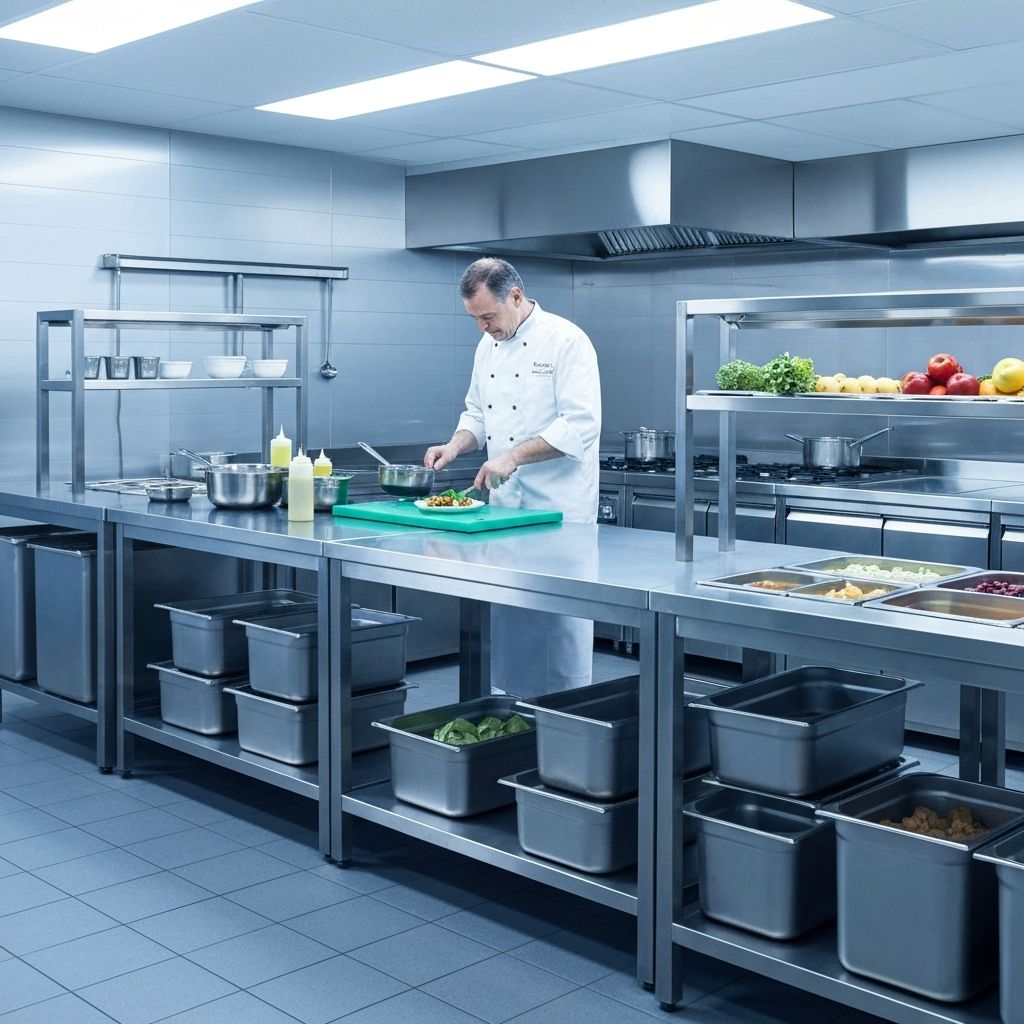
Stainless Steel in Food Processing
Hygiene, durability, and regulatory compliance. Stainless steel is the material of choice in the food processing industry.
Hygiene, durability, and regulatory compliance. Stainless steel is the material of choice in the food processing industry.
Stainless steel is the material of choice in the food processing industry due to its unmatched hygiene, corrosion resistance, cleanability, and compliance with global food safety standards. From dairy to meat processing, beverages to confectionery, stainless steel ensures product safety and equipment longevity.
Hygienic and Non-Porous
Smooth surface prevents bacterial adhesion.
Food-Grade Compliance
Meets FDA, NSF, EHEDG, and 3-A standards.
Corrosion Resistance
Resists acids, alkalis, and cleaning chemicals.
Thermal Stability
Handles extreme temperatures in cooking and freezing.
Easy to Clean and Sanitize
CIP (Clean-in-Place) compatible.
Processing Tanks and Vessels
Storage, mixing, and fermentation tanks, often fabricated from stainless steel sheets.
Piping and Tubing
Sanitary piping systems with welded or clamp fittings. These systems typically use stainless steel pipes.
Conveyors and Belts
Food-grade conveyor frames and belts.
Heat Exchangers and Pasteurizers
Plate and tubular heat exchangers.
Fillers and Packaging Equipment
Filling machines, cappers, and labelers.
Cutting and Slicing Equipment
Blades, tables, and cutting boards.
CIP Systems
Cleaning-in-place tanks and spray balls.
Silos and Bulk Storage
Flour, grain, and ingredient silos.
Dairy Equipment
Milk tanks, cheese vats, and separators.
Meat and Poultry Processing
Slaughter lines, deboning tables, and chilling tunnels.
Stainless steel ensures food safety, regulatory compliance, and operational efficiency in modern food processing plants.