
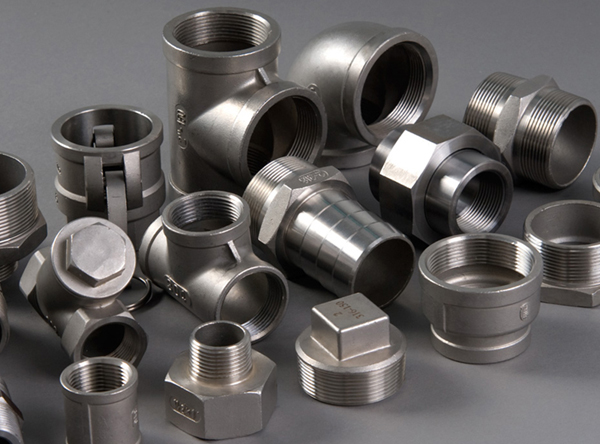
Explore Our Comprehensive Range of Stainless Steel Products – Available in Various Series and Forms to Meet Your Specific Requirements
Since its accidental discovery in Sheffield, England in 1913, stainless steel has evolved from a laboratory curiosity into the backbone of modern industry. What began as Harry Brearley's quest for a rust-free gun barrel became a material revolution that now shapes everything from skyscrapers to surgical instruments. At Steel, we've been part of this remarkable journey since 2014, growing from a regional supplier into one of China's most trusted developers and distributors of stainless steel products.
Our strategically located facilities in Shanxi Province—the heart of China's stainless steel manufacturing corridor—enable us to source premium raw materials directly from leading mills while maintaining rigorous quality control throughout the production process. With over a decade of experience serving clients across 47 countries, we understand that every project demands specific performance characteristics, which is why we offer the complete spectrum of stainless steel series and product forms.
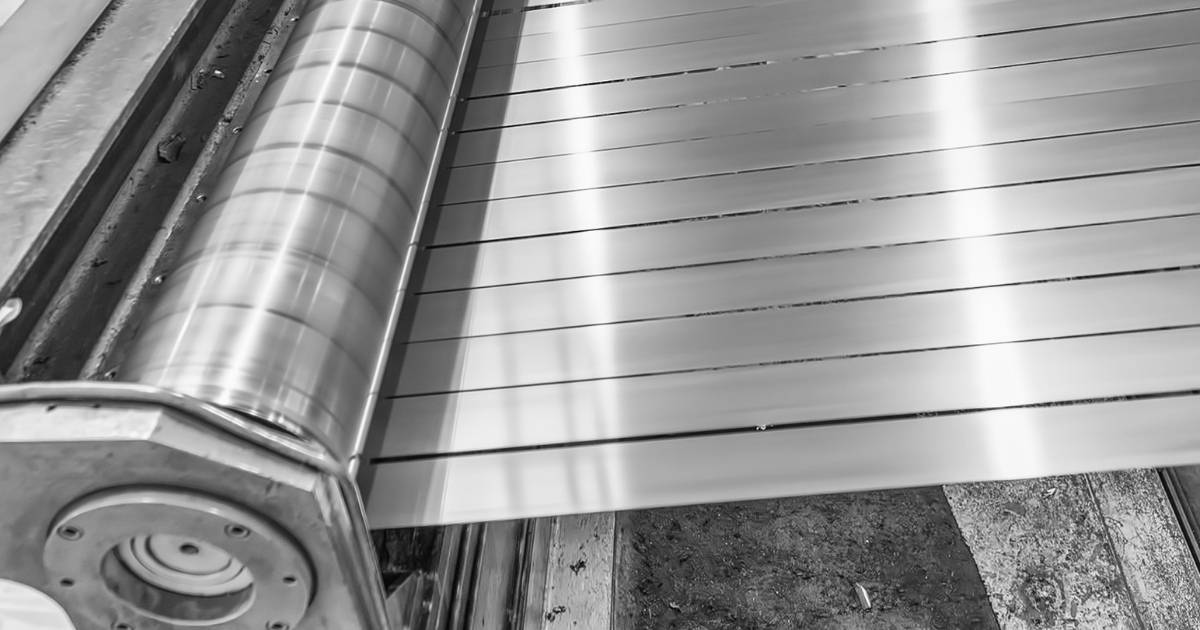
From the cost-effective 200 series to the ultra-high-strength 600 series, our inventory encompasses more than 200 grades, each engineered to excel in particular environments. Whether you require corrosion-resistant steel for marine applications, heat-resistant alloys for aerospace components, or precision-formed sheets for architectural cladding, our technical team provides expert guidance to ensure optimal material selection. Our commitment extends beyond supply—we partner with clients from initial design through final installation, offering customization options including specialized finishes, custom dimensions, and proprietary alloys tailored to unique operational demands.
The versatility of stainless steel lies not just in its chemical composition but in its remarkable adaptability across industries. Its inherent corrosion resistance translates to decades of maintenance-free service in harsh environments, while its 100% recyclability aligns with modern sustainability goals. Recent lifecycle assessments indicate that stainless steel structures can reduce total cost of ownership by up to 40% compared to carbon steel alternatives when factoring in maintenance, replacement, and downtime expenses.
Stainless Steel Series: Engineered for Every Challenge
200 Series: Smart Economics Without Compromise
The 200 series represents metallurgical innovation at its finest—developed during the Korean War when nickel shortages forced metallurgists to reimagine austenitic stainless steel. By substituting manganese for portions of nickel, these alloys deliver impressive performance at 30-40% cost savings compared to traditional 300 series grades.
Chemical Foundation: Typically containing 16-18% chromium, 3.5-5.5% nickel, and 5.5-7.5% manganese, the 200 series maintains an austenitic structure through careful balance of these elements. Grade 201 offers excellent formability for deep drawing applications, while 202 provides enhanced work hardening characteristics ideal for structural components.
Performance Profile: These alloys excel in mild environments, offering good resistance to atmospheric corrosion and many organic chemicals. Their higher yield strength—approximately 30% greater than 304—makes them particularly valuable in weight-sensitive applications. However, their performance in chloride-rich environments requires careful evaluation, as pitting corrosion resistance falls below 300 series standards.
Industry Applications: The 200 series dominates the kitchenware market, where its combination of formability, attractive appearance, and cost-effectiveness creates compelling value. Automotive manufacturers utilize these grades for wheel covers, trim, and exhaust system components where moderate corrosion resistance meets budget requirements. Recent adoption in architectural applications includes interior wall panels and decorative elements in commercial buildings.
Technical Considerations: While offering excellent weldability using standard techniques, the 200 series requires slightly higher energy input due to its elevated manganese content. Fabricators should note increased springback during forming operations compared to 304, necessitating adjusted tooling parameters.
300 Series: The Gold Standard of Corrosion Resistance
Representing over 70% of global stainless steel production, the 300 series embodies the perfect balance of corrosion resistance, formability, and availability. These austenitic chromium-nickel alloys set the benchmark against which all other stainless steels are measured.
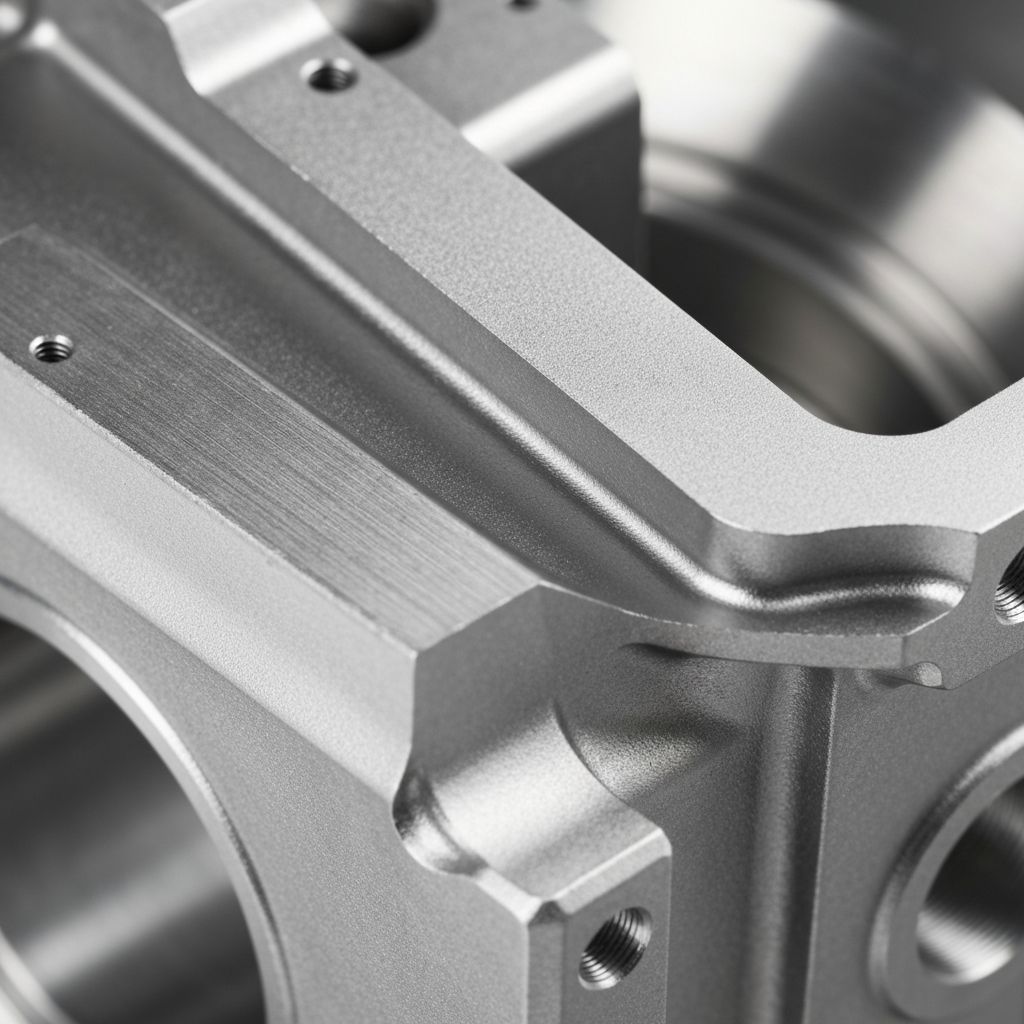
Grade 304: The Universal Choice With its classic 18% chromium, 8% nickel composition, 304 delivers exceptional all-around performance. From food processing equipment to architectural paneling, this grade handles most applications with aplomb. Its ability to withstand temperatures from cryogenic levels to 870°C makes it indispensable across industries.
Grade 316: Marine-Grade Excellence The addition of 2-3% molybdenum transforms 316 into a chloride-resistant powerhouse. Coastal infrastructure, chemical processing equipment, and medical implants rely on 316's enhanced pitting and crevice corrosion resistance. Recent studies show 316 components can maintain structural integrity for over 100 years in marine atmospheres.
Specialized Variants: Grade 321, stabilized with titanium, prevents carbide precipitation in weld zones, making it essential for aerospace applications. Grade 310, with its 25% chromium and 20% nickel content, provides exceptional oxidation resistance up to 1050°C in continuous service.
Processing Advantages: The 300 series offers unmatched fabricability, accepting all standard welding processes with excellent results. Its non-magnetic nature proves valuable in electronic and medical applications where magnetic interference must be minimized. Work hardening rates allow strengthening through cold working, enabling tailored mechanical properties.
400 Series: Magnetic Versatility and Heat Treatability
The 400 series breaks the austenitic mold, offering ferritic and martensitic structures that introduce magnetic properties and heat-treatable hardness to the stainless steel family. These alloys fill critical niches where 300 series characteristics prove unsuitable.
Ferritic Foundation: Grades 430 and 434 provide excellent stress corrosion cracking resistance at costs 20-30% below 304. Their ferritic structure delivers good ductility and formability, though not matching austenitic levels. Automotive exhaust systems benefit from 409's combination of heat resistance and weldability, while appliance manufacturers prize 430's attractive brushed finish.
Martensitic Might: Grade 410, containing 11.5-13.5% chromium, transforms through heat treatment to achieve hardness levels exceeding 40 HRC. This capability creates cutlery that maintains razor-sharp edges and turbine blades that withstand extreme stresses. Grade 420, with increased carbon content, pushes hardness even higher, producing surgical instruments and precision bearings.
Magnetic Applications: The 400 series' ferromagnetic properties enable use in solenoids, electric motors, and magnetic separation equipment. Food processing facilities utilize magnetic 430 conveyor components to facilitate metal detection and removal.
Heat Treatment Protocols: Martensitic grades require careful thermal processing—austenitizing at 925-1010°C followed by oil quenching, then tempering at 150-370°C to achieve desired hardness-toughness balance. This versatility allows engineers to specify exact mechanical properties for demanding applications.
500 Series: Defining Heat Resistance
The 500 series represents specialized heat-resisting chromium alloys engineered for extreme temperature service. While less common than other series, these materials prove indispensable in applications where standard grades fail catastrophically.
Alloy Design: Typically containing 4-6% chromium with strategic additions of elements like silicon and aluminum, 500 series alloys form tenacious oxide scales that protect underlying metal at temperatures exceeding 650°C. These materials prioritize oxidation resistance over aqueous corrosion resistance, creating distinct performance envelopes.
Power Generation Applications: Gas turbine components, steam superheater tubes, and exhaust manifolds rely on 500 series alloys to maintain strength and dimensional stability at operational temperatures. Recent advances include modified 502 grade for next-generation power plants targeting 700°C steam temperatures for improved efficiency.
Aerospace Legacy: Early jet engines utilized 500 series materials for combustion chambers and afterburner components. While largely superseded by nickel-based superalloys in modern engines, these grades continue serving in auxiliary power units and legacy aircraft maintenance.
Processing Challenges: The 500 series demands specialized welding techniques to prevent brittle phase formation. Preheating requirements and post-weld heat treatment protocols exceed those for standard stainless steels, necessitating experienced fabrication partners.
600 Series: Precipitation-Hardening Excellence
The 600 series represents the pinnacle of stainless steel engineering, delivering exceptional strength through precise precipitation-hardening mechanisms. These martensitic or semi-austenitic alloys achieve mechanical properties rivaling low-alloy steels while maintaining stainless characteristics.
17-4 PH: The Workhorse Containing 17% chromium and 4% nickel with copper and niobium additions, 17-4 PH delivers yield strengths exceeding 1100 MPa in H900 condition. Aerospace landing gear components, nuclear waste casks, and high-performance racing parts exploit this remarkable strength-to-weight ratio.
15-5 PH: Improved Toughness Developed to eliminate delta ferrite in 17-4 PH, 15-5 PH provides superior transverse toughness and improved fabricability. Large aerospace structural components benefit from its consistent properties across varied section sizes.
Processing Precision: Precipitation-hardening requires exact thermal cycles—solution treatment at 1038°C followed by aging at 482-621°C depending on desired properties. This precision enables property tuning for specific applications, from high-strength fasteners to corrosion-resistant shafts.
Cost-Benefit Analysis: While 600 series alloys cost 3-5 times more than standard 300 grades, their exceptional strength often enables section thickness reductions of 50% or more, creating overall system cost savings through reduced material usage and weight.
Product Forms: Precision-Manufactured for Your Success
Stainless Steel Sheet & Plate: Foundation of Modern Fabrication
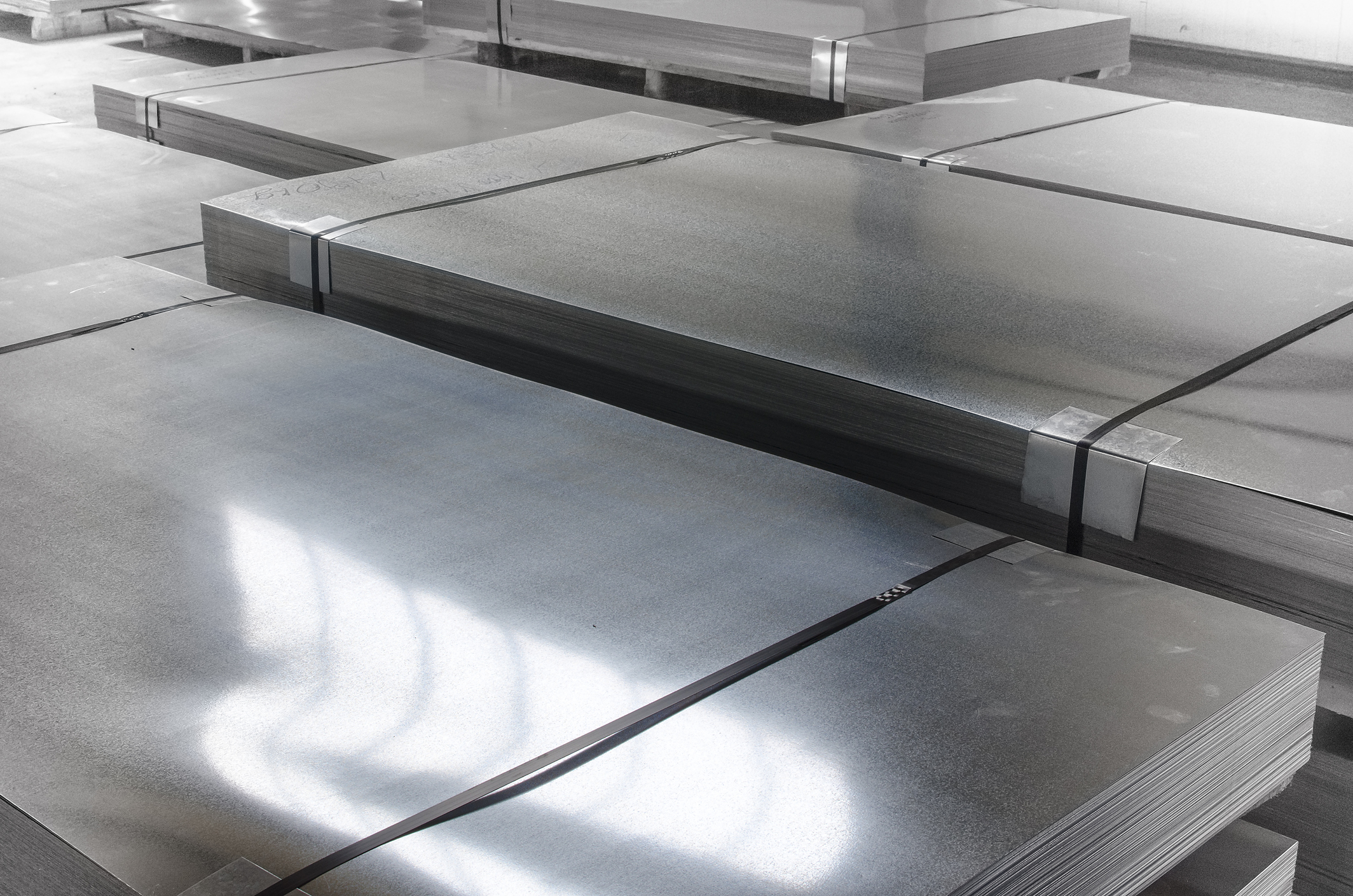
Our sheet and plate products represent the culmination of advanced metallurgy and precision manufacturing. Produced through carefully controlled hot-rolling and cold-rolling processes, these flat products deliver exact thickness tolerances and surface finishes optimized for diverse applications.
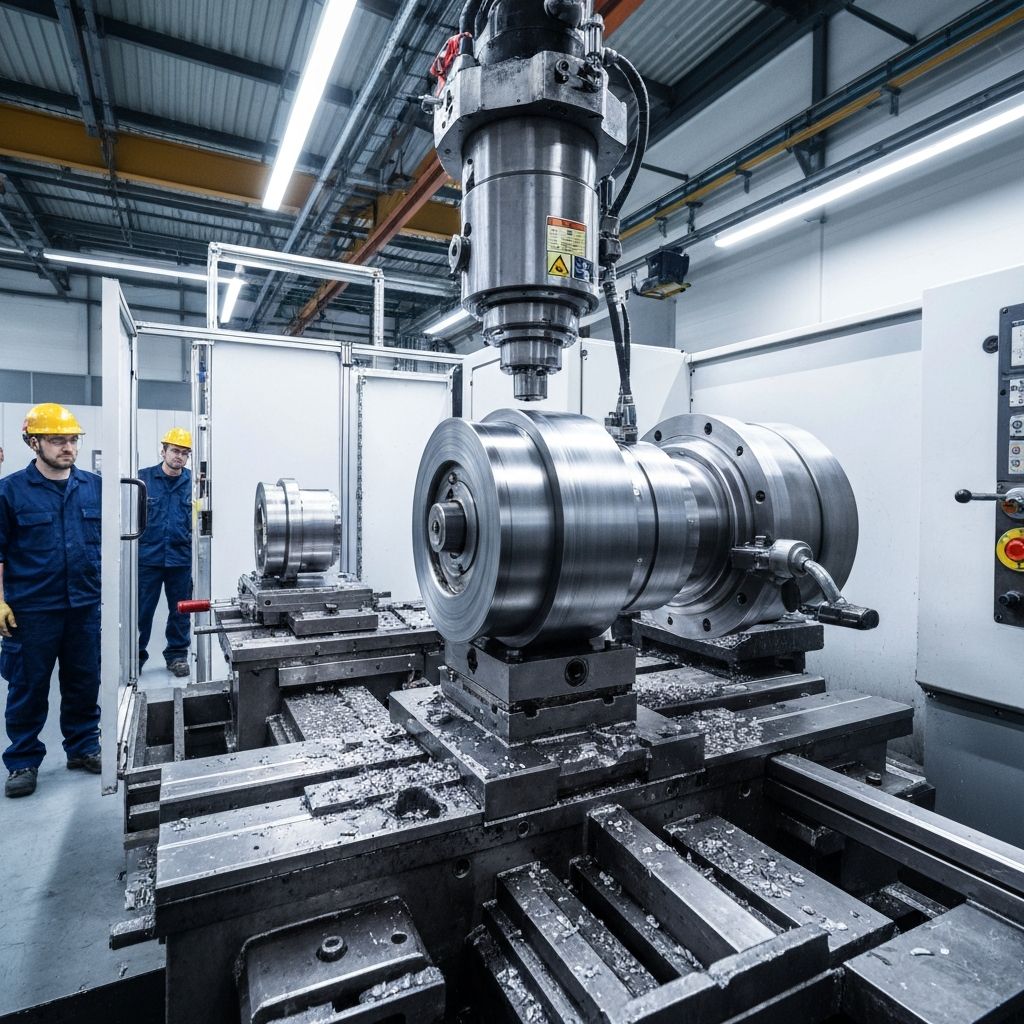
Manufacturing Excellence: Hot-rolled plates, processed at temperatures exceeding 1100°C, provide excellent dimensional stability and freedom from internal stresses. These products excel in heavy fabrication where subsequent welding and machining operations demand uniform properties. Cold-rolled sheets, processed at room temperature, achieve superior surface finishes and tighter thickness tolerances while offering enhanced mechanical properties through work hardening.
Surface Finish Portfolio: Our comprehensive finish range addresses every aesthetic and functional requirement:
- 2B Finish: The workhorse finish—smooth, reflective, and economical for general applications
- BA (Bright Annealed): Mirror-like reflectivity achieved through controlled atmosphere annealing, ideal for decorative applications
- No. 4 Finish: Directional satin finish created with 150-180 grit abrasives, perfect for appliances and architectural panels
- HL (Hairline): Fine directional finish that masks fingerprints and minor scratches
- No. 8 Mirror: Ultra-reflective finish achieved through multiple polishing stages, creating stunning visual impact
Thickness Spectrum: From ultra-thin 0.3mm foils to massive 100mm plates, our inventory spans the full range. Standard sheet thicknesses include 0.5mm, 0.8mm, 1.0mm, 1.2mm, 1.5mm, 2.0mm, 3.0mm, 4.0mm, 5.0mm, and 6.0mm. Custom thicknesses available through our slitting and leveling services.
Selection Guidelines: Choose hot-rolled plate for structural applications requiring thickness over 6mm or when subsequent heavy machining is planned. Select cold-rolled sheet for applications demanding superior surface finish, tight tolerances, or enhanced mechanical properties. Consider finish selection based on environmental exposure and aesthetic requirements—2B for hidden components, BA for reflective surfaces, No. 4 for high-touch areas.
Stainless Steel Coil: Continuous Quality for High-Volume Production
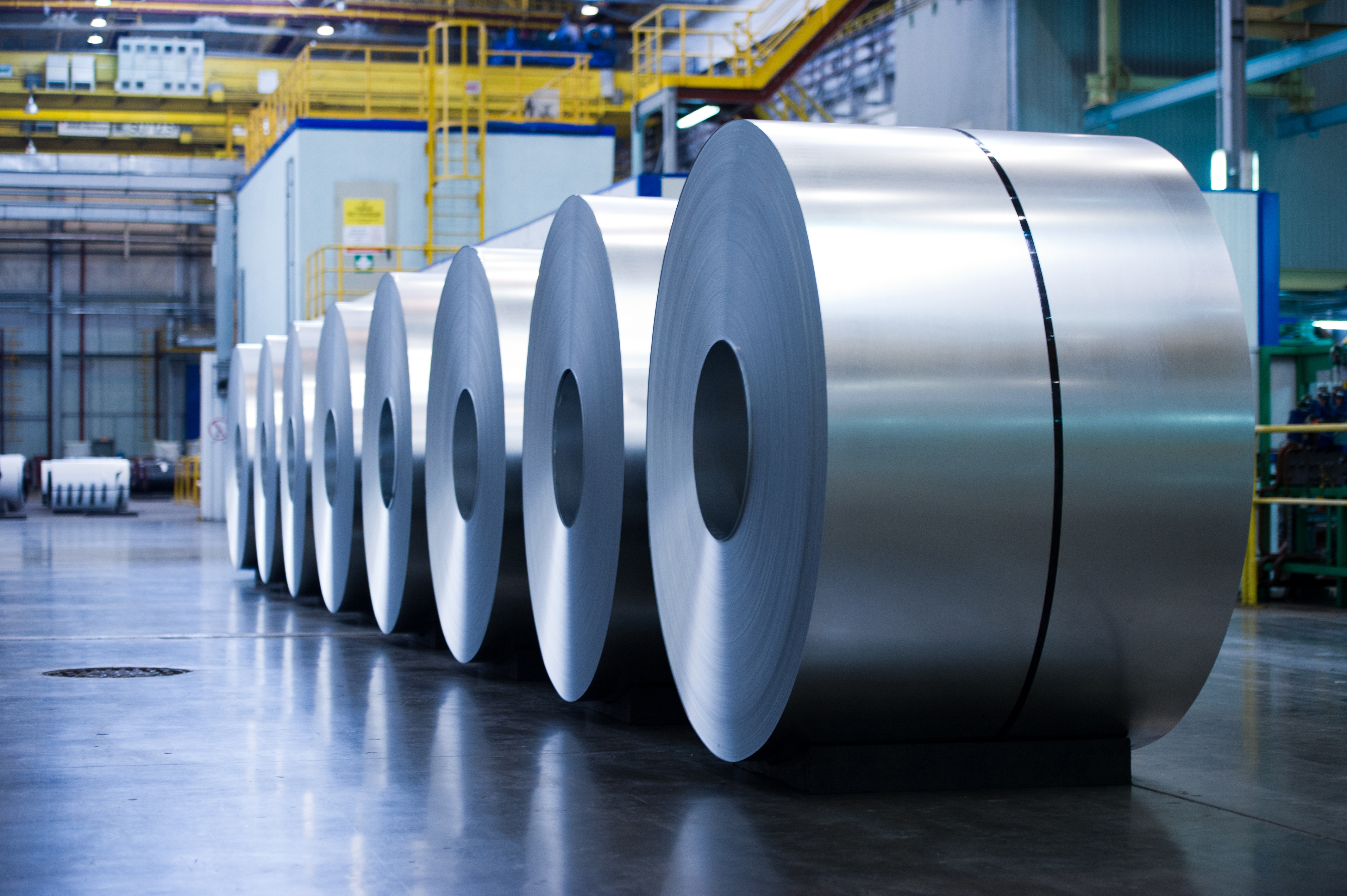
Our coil products epitomize manufacturing efficiency, providing uninterrupted material flow for automated production lines. Produced on state-of-the-art continuous mills, these coils deliver consistent properties across miles of material.
Production Precision: Modern coil processing begins with continuous casting, creating uniform chemistry throughout the entire coil length. Hot rolling reduces thickness while maintaining metallurgical integrity, followed by in-line annealing that ensures consistent mechanical properties. Cold rolling achieves final dimensions with tolerances as tight as ±0.02mm.
Slitting and Edging Services: Our precision slitting lines handle coils up to 1600mm wide, creating custom widths from 10mm upwards. Burr-free edges eliminate downstream processing requirements, while oscillate winding enables extended production runs without spool changes. Edge conditioning options include rounded, squared, and specialty profiles for specific applications.
Weight Optimization: Standard coil weights range from 5-25 tons, maximizing production efficiency while minimizing handling costs. Custom weight coils available for specialized equipment requirements. Inner diameters of 508mm and 610mm accommodate most processing machinery.
Industry Applications: Appliance manufacturers utilize our coils for dishwasher tubs, refrigerator panels, and oven liners where corrosion resistance meets aesthetic demands. HVAC producers rely on consistent coil properties for ductwork, heat exchangers, and condenser coils. Automotive stampers achieve tight tolerances in exhaust components, trim, and structural elements.
Quality Controls: Every coil undergoes comprehensive testing including surface inspection, thickness measurement, and mechanical property verification. Automated marking systems ensure full traceability from melt source to final application.
Stainless Steel Pipe & Tube: Flowing Solutions for Critical Systems
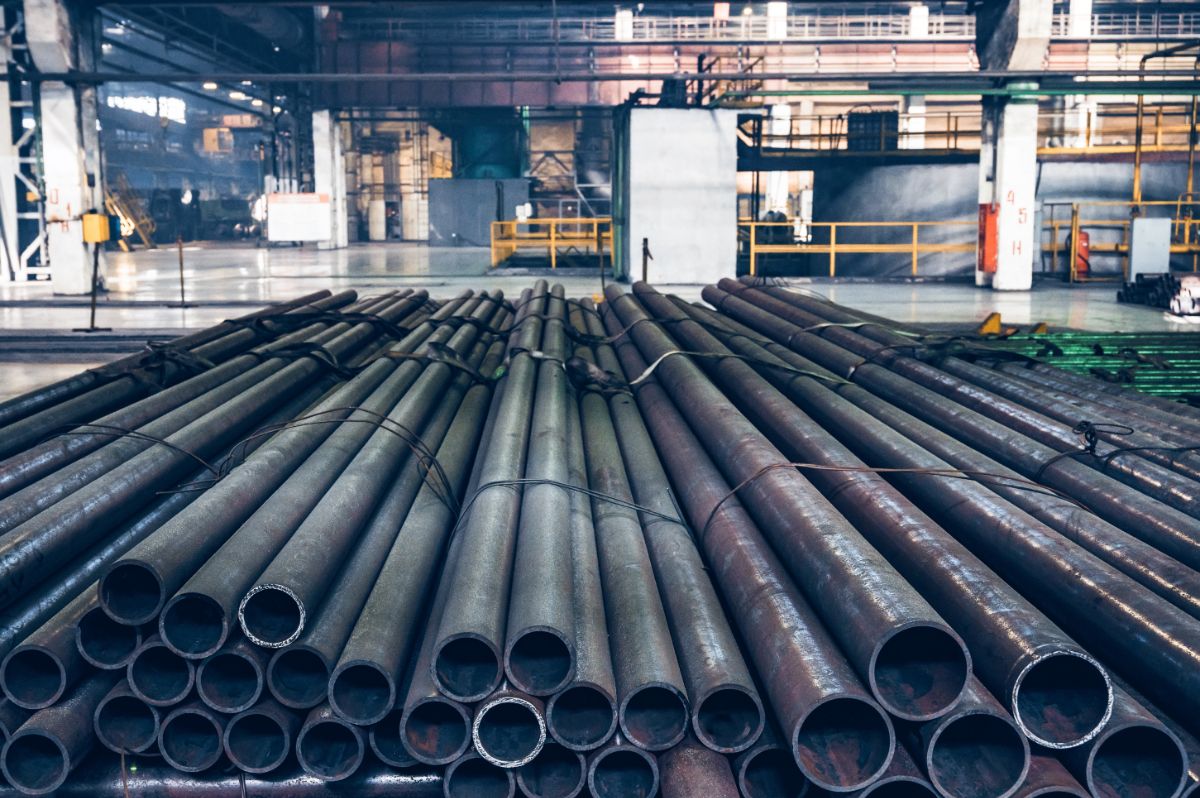
Our tubular products deliver reliable performance in the world's most demanding fluid handling applications. From subsea pipelines to pharmaceutical processing systems, these precision-manufactured components ensure safe, efficient operation.
Seamless vs. Welded Construction: Seamless pipes, produced through rotary piercing or extrusion, provide uniform wall thickness and superior pressure ratings. These products excel in high-pressure applications where weld integrity cannot be compromised. Welded pipes, manufactured from strip or plate, offer economic advantages in larger diameters while maintaining excellent quality through advanced welding processes.
Manufacturing Standards: Our products comply with international standards including ASTM A312 for seamless and welded pipes, ASTM A213 for boiler and heat exchanger tubes, and ASTM A269 for general service applications. DIN, JIS, and GB standards available upon request. All products undergo hydrostatic testing and non-destructive examination.
Dimensional Range: Seamless pipes from 6mm to 610mm outer diameter with wall thicknesses from 0.5mm to 50mm. Welded pipes extend to 3000mm diameter for large-scale applications. Standard lengths of 6 meters with custom lengths available through precision cutting services.
Corrosion Resistance Excellence: Selected grades provide exceptional performance in specific environments:
- 304/304L: General corrosion resistance for food and beverage applications
- 316/316L: Superior chloride resistance for marine and chemical processing
- 2205 Duplex: Outstanding stress corrosion cracking resistance
- 904L: Extreme corrosion resistance in aggressive chemical environments
Specialized Processing: Our in-house fabrication capabilities include precision cutting, end finishing, and custom bending. Orbital welding services ensure contamination-free installations for pharmaceutical and semiconductor applications. Pickling and passivation restore corrosion resistance after fabrication.
Stainless Steel Fittings: Precision Connections for Reliable Systems
Our comprehensive fitting portfolio ensures leak-free connections in every application, from household plumbing to nuclear power systems. Precision engineering and strict quality controls deliver components that maintain system integrity under extreme conditions.
Fitting Categories: We manufacture the complete range of connection solutions:
- Elbows: 45°, 90°, and 180° configurations in long and short radius
- Tees: Equal and reducing designs for branch connections
- Reducers: Concentric and eccentric options for diameter transitions
- Caps: Permanent end closures in various configurations
- Flanges: Weld neck, slip-on, socket weld, and blind types
- Unions: Removable connections for maintenance access
Manufacturing Excellence: Precision forging creates optimal grain flow for enhanced strength. CNC machining achieves dimensional tolerances within 0.1mm ensuring perfect fit-up. Surface finishes from 125 Ra to 32 Ra accommodate various sealing requirements.
Material Selection: Standard grades include 304/304L for general service, 316/316L for corrosive environments, and 317L for extreme conditions. High-purity variants available for pharmaceutical and semiconductor applications.
Pressure Ratings: Class 150 through Class 2500 ratings accommodate system pressures from 20 bar to over 400 bar. Temperature capabilities extend from cryogenic to 800°C depending on grade and configuration.
Quality Assurance: Every fitting undergoes dimensional inspection, surface examination, and pressure testing. Material certification includes full chemical analysis and mechanical properties. Traceability maintained from raw material to finished product.