430 Stainless Steel – Nickel-Free Ferritic Champion for Cost-Conscious Corrosion Resistance & Deep-Drawn Brilliance
430 Stainless Steel is the most widely used ferritic grade, offering a magnetic, chromium-rich alternative to austenitic 304 without the nickel price premium. Containing 16–18 % chromium and ≤0.12 % carbon, UNS S43000 forms a stable passive film that resists mild atmospheres, organic acids and nitric environments while providing thermal conductivity 30 % higher and thermal expansion closer to carbon steel than nickel-bearing grades. From deep-drawn dishwasher tubs to bright-polished automotive trim, 430 Stainless Steel delivers attractive appearance, good formability and excellent stress-corrosion-cracking immunity at a cost that tracks only the chrome market—making it the first choice for high-volume appliances, architectural panels and food-processing equipment where extreme chloride resistance is unnecessary.
Key Features & Benefits – Why 430 Stainless Steel Outperforms Carbon Steel and Undercuts 304 on Price
Ferritic Structure = Magnetism + Thermal Efficiency
- Strongly magnetic in all conditions—ideal for induction cook-tops, solenoid housings and magnetic conveyor sorting.
- Thermal conductivity 26 W·m⁻¹·K⁻¹ (at 100 °C) is 40 % higher than 304, speeding heat-up in cookware and heating-element jackets.
Moderate Corrosion Resistance Without Nickel
- 17 % Cr passive film withstands fresh water, atmospheric humidity, weak organic acids and detergent solutions; ASTM B117 salt-spray > 240 h with <5 % rust area.
- Immune to chloride stress-corrosion cracking—suitable for warm chloride rinses that would crack 304.
Excellent Formability & Deep Drawability
- Low work-hardening exponent (n ≈ 0.20) allows 60 % deep-draw ratios in sink bowls and drum ends—saving annealing steps during multi-stage pressing.
Superior Polishability & Optical Finish
- Single-step polishing to <0.1 µm Ra produces mirror-bright reflectivity for decorative trim and appliance fronts—matching 304 appearance at lower cost.
Thermal Expansion Similar to Carbon Steel
- Coefficient 10.4 µm·m⁻¹·K⁻¹ (20–100 °C) reduces distortion when ferritic 430 is joined to mild-steel frames or when hot-water tanks cycle.
Cost-Effective & Stable Pricing
- Nickel-free chemistry tracks only chrome price; buyers often save USD 300–400 per tonne versus 304 while meeting 90 % of indoor corrosion requirements.
Technical Specifications
| Property | Value | Standard |
|---|---|---|
| Density | 7.7 g/cm³ | ASTM A240 |
| Melting Point | 1 427 °C | ASTM A276 |
| Tensile Strength | ≥ 450 MPa | ASTM A370 |
| Yield Strength | ≥ 205 MPa | ASTM A370 |
| Elongation | ≥ 22 % | ASTM A370 |
| Hardness, HRB | ≤ 89 | ASTM E18 |
| Thermal Conductivity | 26 W·m⁻¹·K⁻¹ @ 100 °C | ASTM E1461 |
| Magnetic Property | Strongly magnetic | All conditions |
Values comply with UNS S43000, AISI 430, EN 1.4016 and ASTM A240/A276.
Applications & Use Cases – Where 430 Stainless Steel Delivers Shine, Shape & Savings
Kitchen Appliances & Cookware
Deep-drawn 0.6 mm 430 Stainless Steel forms dishwasher tubs, refrigerator doors and induction cookware bases. A major OEM saved 8 % material cost switching from 304 while meeting 1 000 h neutral-salt-spray warranty.
Automotive Trim & Exhaust
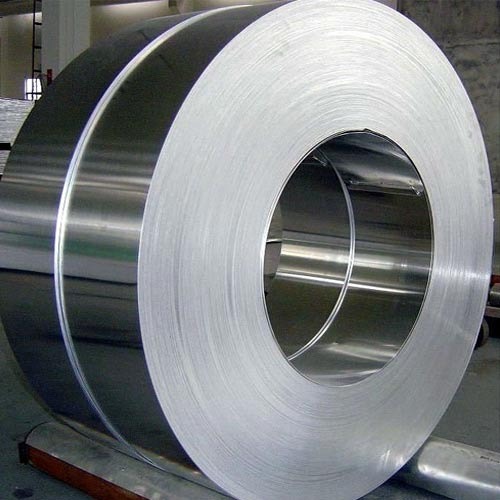
Bright-annealed 430 strip is roll-formed into mirror-finish window surrounds and exhaust tip outer shells. Ferritic grade survives 600 °C exhaust gas while thermal expansion matches steel substrate, reducing thermal-fatigue cracks.
Architectural Panels & Elevator Walls
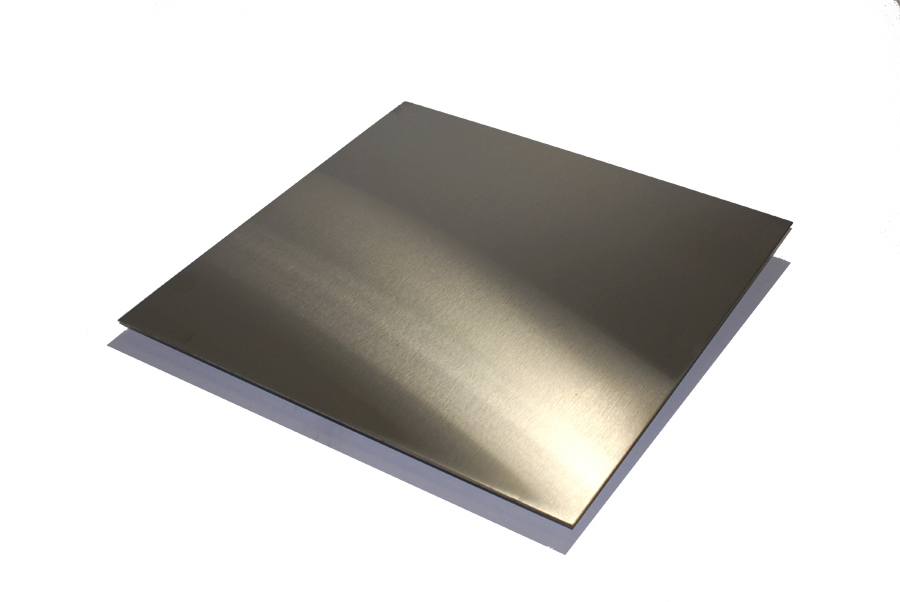
Mirror-polished sheets clad airports and shopping malls; 430 Stainless Steel maintains lustre indoors for 25 years with only soap-and-water cleaning, outperforming painted aluminium.
Food-Processing Equipment
Colanders, mixing tanks and brewery vessels handle hot water, malt and organic acids; 430’s SCC immunity prevents the through-wall cracking that occasionally plagues 304 in chloride-rich CIP cycles.
Heating Elements & Calorifiers
Ferritic 430 jackets surround copper heating coils; higher thermal conductivity improves energy transfer by 15 % while resisting scaling in hard-water regions.
Fasteners, Clips & Brackets
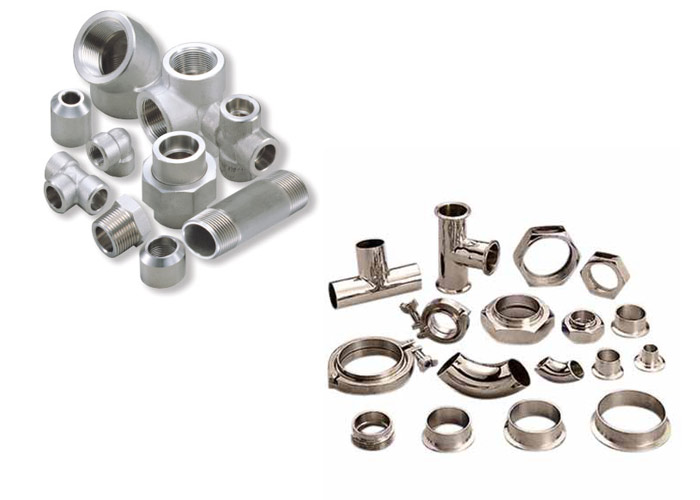
Magnetic properties allow robotic pick-and-place of 430 Stainless Steel clips during white-goods assembly, speeding production lines versus non-magnetic 304.
Decorative Trim & Furniture
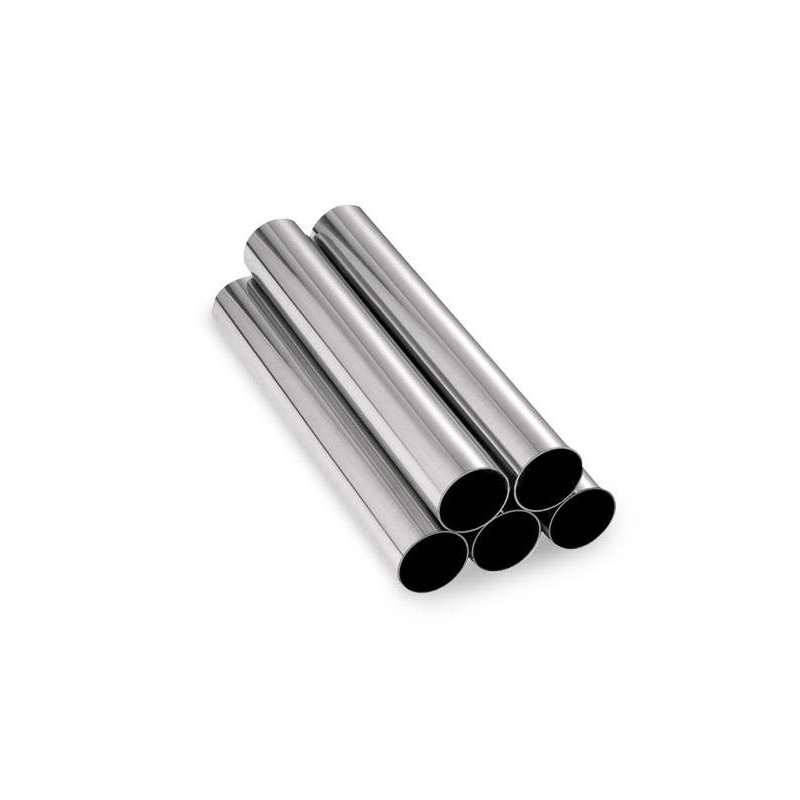
Brushed 430 tubing forms chair arms and table legs; the grade accepts powder coating without nickel bleed-through, ensuring uniform adhesion.
Comparison with Other Grades – 430 vs 304, 410, 201, 441
| Grade | Type | Nickel % | Corrosion Rating | Relative Cost | Formability | Typical Uses |
|---|---|---|---|---|---|---|
| 304 | Austenitic | 8 | High | Medium | Excellent | Food tanks |
| 410 | Martensitic | 0 | Medium | Low | Good | Hardware, blades |
| 201 | Austenitic | 4 | Medium | Low | Excellent | Table legs |
| 441 | Ferritic | 0 | High | Medium+ | Good | Automotive exhaust |
| 430 | Ferritic | 0 | Medium+ | Low | Excellent | Appliances, trim |
Pros: 430 Stainless Steel offers the lowest cost per square metre of stainless cladding while providing good indoor corrosion resistance and excellent deep-draw capability.
Cons: Not suitable for marine immersion or chloride bleach; for such cases upgrade to 316L or 441.
Manufacturing Process & Quality Assurance
We produce 430 Stainless Steel via electric-arc furnace melting, AOD decarburisation and precise chromium alloying to 17 %. Continuous casting into 200 mm slabs is followed by hot rolling to 3 mm coil and cold rolling to final gauge. Full annealing at 815–900 °C in a 100 % hydrogen atmosphere produces a clean, oxide-free surface with optimum ductility. Finishes include 2B for general forming, BA for mirror reflectivity, No. 4 satin and custom embossed patterns. Every coil is certified to ASTM A240/A276, ISO 9001 and EN 10204 3.1; tests include ICP chemistry, ASTM A370 mechanical properties, ASTM A240 pitting corrosion and magnetic permeability (< 1.2). Third-party inspection certificates and REACH/RoHS compliance statements are available on request.
Maintenance & Care Tips
Clean 430 Stainless Steel with warm water and a mild, chloride-free detergent; rinse and wipe dry to prevent water spots. For decorative panels, occasional polishing with a micro-fibre cloth maintains brightness; avoid abrasive compounds that can scratch the surface. Passivation in 2 % citric acid removes free iron after fabrication, restoring maximum corrosion resistance. Store sheets indoors, vertically separated by plastic, to prevent carbon-steel contact and subsequent rust staining.
Frequently Asked Questions
Q: Is 430 Stainless Steel magnetic?
A: Yes—ferritic structure is strongly magnetic in all conditions, ideal for induction heating and magnetic clamping.
Q: How does 430 compare to 304 in cost and corrosion resistance?
A: 430 costs ~20 % less and resists mild atmospheres, but only half the chloride pitting resistance of 304—choose 430 for indoor or non-marine service.
Q: Can 430 Stainless Steel be welded?
A: Yes—use 430, 309L or 308L filler, minimise heat input, and post-weld anneal at 815 °C to restore ductility and corrosion resistance.
Ready to cut material cost without sacrificing appearance or formability? Contact us today for custom quotes on 430 Stainless Steel coil, sheet or strip—mill-direct pricing, global delivery and full metallurgical support included.