631 Stainless Steel – 17-7PH Semi-Austenitic Precision Power for 1380 MPa Springs with 304-Class Corrosion & Zero Forming Limits
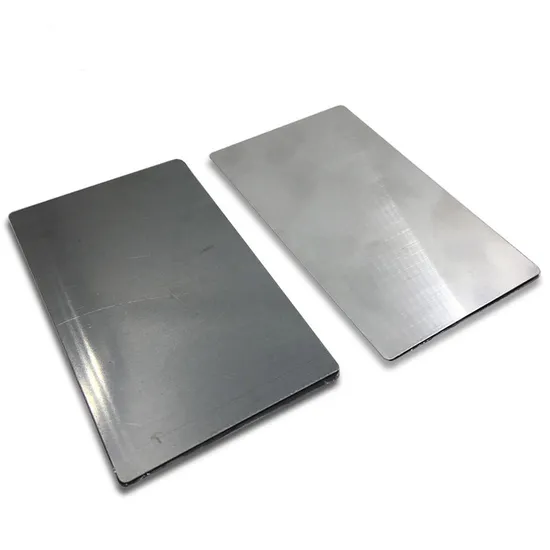
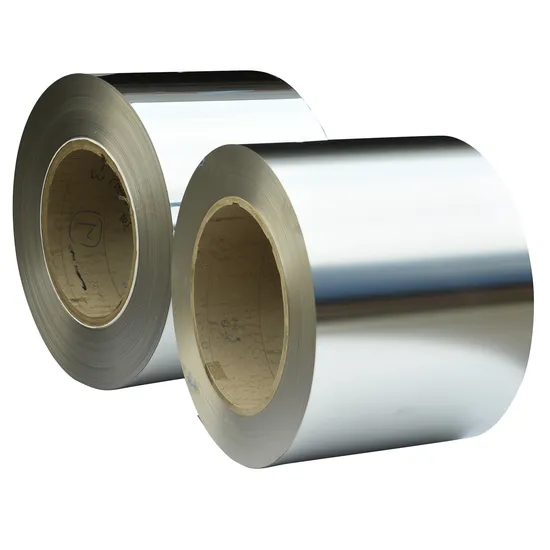
631 Stainless Steel—globally known as 17-7PH or UNS S17700—is the semi-austenitic precipitation-hardening alloy that delivers the highest strength-to-weight ratio of any standard stainless strip while retaining 304-level corrosion resistance and exceptional cold-formability. Containing 16–18 % Cr, 6.5–7.75 % Ni and 0.75–1.5 % Al, 631 Stainless Steel is supplied soft (Condition A), deep-drawn or roll-formed into complex shapes, then transformed to martensite and aged at 480–560 °C to reach 1380 MPa tensile—50 % higher than 17-4PH and triple that of 304. The grade stays non-magnetic in the annealed state, experiences near-zero distortion during aging, and machines readily before hardening. From aerospace Belleville washers to medical cannula, 631 Stainless Steel gives designers the only PH stainless that truly combines ultra-high strength, excellent corrosion resistance and limitless formability in one cost-effective package.
Key Features & Benefits – Why 631 Stainless Steel (17-7PH) Outperforms Both 630 and Austenitic Grades on Formability & Strip Strength
Precipitation Hardening via Aluminum = Customisable Ultra-High Strength
- Condition CH900 (480 °C) yields 1380 MPa tensile / 1310 MPa yield / 46 HRC—ideal for 0.05 mm feeler gauges and high-rate springs.
- Condition RH950 (510 °C) balances 1240 MPa tensile with 16 % elongation for diaphragms needing strength plus fatigue life.
Excellent Formability in Condition A (Annealed)
- 35 % elongation and 90 HRB allow 70 % deep-draw ratios in bellows and Bourdon tubes—impossible with as-supplied 630.
Transformation to Martensite Before Aging
- Simple refrigeration at –75 °C or cold-work converts austenite to martensite, enabling subsequent low-temperature aging without quench distortion.
Good Corrosion Resistance in Marine & Chemical Media
- PREN ≈ 18 meets ASTM G48 pitting test at 25 °C; outperforms 410/420 and equals 304 in neutral chlorides; passes 1000 h ASTM B117 with <3 % rust.
High Fatigue Strength & Toughness
- Rotating-beam fatigue limit 620 MPa (CH900)—double that of 630 at similar hardness; Charpy V-notch ≥ 15 J at room temperature after RH950.
Low Magnetic Permeability in Annealed State
- µr < 1.02 in Condition A—suitable for sensor diaphragms and non-ferrous fixturing before final hardening.
Cost-Effective & Price-Stable
- Nickel content 30 % lower than 304; precipitation hardening eliminates expensive quench/temper furnaces, cutting processing cost 15 % versus martensitic PH grades.
Technical Specifications
| Property | Value | Condition / Standard |
|---|---|---|
| Density | 7.8 g/cm³ | ASTM A693 |
| Melting Point | 1 400 – 1 420 °C | ASTM A693 |
| Tensile Strength | 1 030 MPa | Condition A (ASTM A693) |
| Tensile Strength | 1 380 MPa | CH900 (ASTM A693) |
| Yield Strength | 380 MPa | Condition A |
| Yield Strength | 1 310 MPa | CH900 |
| Elongation | 35 % | Condition A |
| Elongation | 16 % | RH950 |
| Hardness | 92 HRB | Condition A |
| Hardness | 46 HRC | CH900 |
| Corrosion Rating | ≈ 304 | ASTM G48 |
Values comply with UNS S17700, AISI 631, EN 1.4568 and ASTM A693/AMS 5528.
Applications & Use Cases – Proven 17-7PH Performance from Aerospace Springs to Medical Stylets
Aerospace Components – Springs, Diaphragms, Washers
0.1 mm 631 strip is roll-formed into Belleville washers, aged to CH900 and survives 10 million cycles at 650 MPa—weight-saving replacement for Inconel 718.
Medical & Surgical Instruments
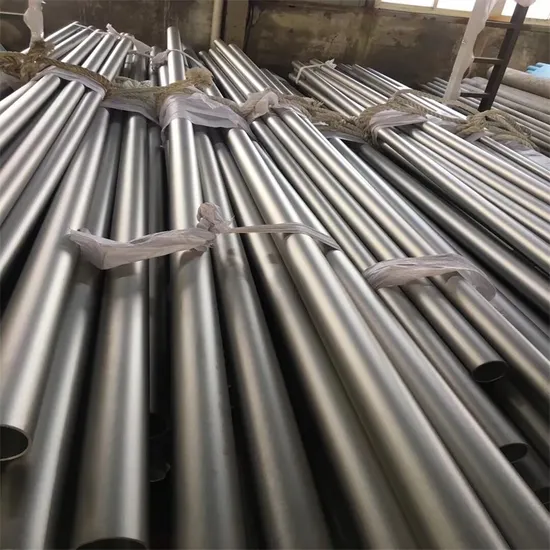
Hypodermic stylets and biopsy forceps use CH900 631 tube; 46 HRC provides needle sharpness while 304-level passivation meets FDA biocompatibility.
Oil & Gas Downhole Tools
Slick-line cable heads use RH950 631 bar; 1240 MPa tensile allows 30 % diameter reduction versus 630, improving tool clearance in slim holes.
Marine Hardware – Shafts, Fasteners
Non-magnetic 631 Condition A is machined into propeller-shaft couplings, aged to H1025 and resists seawater pitting while carrying 1170 MPa yield.
High-Strength Fasteners & Clips
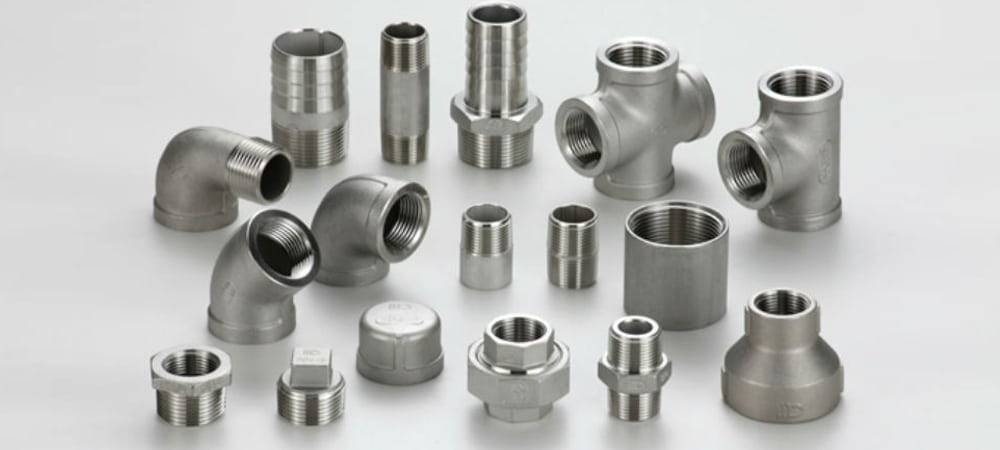
M2 micro-screws are cold-headed from 631 wire, aged to CH900 and achieve 1 380 MPa tensile—double that of 304, eliminating thread galling.
Pump Diaphragms & Pressure Sensors
Deep-drawn 0.2 mm 631 diaphragms convert 40 MPa pressure pulses; RH950 condition gives 16 % elongation for 10 million fatigue cycles.
Precision Stampings & Retainer Rings
Stamped lock-rings for aerospace actuators use 631 strip; non-magnetic A-condition allows magnetic clamping, final CH900 provides 1 310 MPa clamp force.
Nuclear Reactor Parts
Control-rod position sensors use RH950 631 plates; low cobalt (<0.05 %) meets nuclear cleanliness, and non-magnetic property prevents interference.
Comparison with Other Grades – 631 vs 630, 304, 316, 15-5PH, 17-7PH Variants
| Grade | Type | Tensile MPa Aged | Corrosion Rating | Formability Annealed | Heat Treatment | Relative Cost | Typical Uses |
|---|---|---|---|---|---|---|---|
| 304 | Austenitic | 620 | High | Excellent | None | Medium | Food tanks |
| 316 | Austenitic | 620 | Very High | Excellent | None | High | Marine |
| 630 | PH Martensitic | 1 310 | High | Fair | Age | Medium+ | Valves |
| 15-5PH | PH Martensitic | 1 380 | High | Fair | Age | High | Aerospace |
| 17-7PH | PH Semi-Austenitic | 1 310 | High | Excellent | Age | High | Springs |
| 631 | PH Semi-Austenitic | 1 380 | High | Excellent | Age + Refrigerate | High | Springs, diaphragms |
Pros: 631 Stainless Steel offers the best combination of ultra-high strip strength and excellent cold formability among all PH grades.
Cons: Higher alloy cost and more complex heat treatment (refrigeration + age) versus 630; not suitable for prolonged >400 °C service.
Manufacturing Process & Quality Assurance
We produce 631 Stainless Steel via vacuum-induction melting (VIM) and vacuum-arc remelting (VAR) for aerospace cleanliness, then hot-roll and cold-roll to strip, sheet, bar or wire. Solution annealing at 1060 °C (Condition A) produces soft austenite. For maximum strength, material is refrigerated at –75 °C or cold-worked to transform to martensite, then aged at 480 °C (CH900) or 510 °C (RH950) to precipitate nano-aluminum particles, reaching 46 HRC. Finishes include cold-rolled bright, ground and polished Ra ≤ 0.1 µm for medical cannula. Every batch is certified to ASTM A693/AMS 5528, ISO 9001 and optional AS/EN 9100; tests include ICP chemistry, tensile at room and elevated temperature, bend fatigue, ASTM G48 pitting corrosion, and grain size. Third-party inspection certificates accompany each shipment for direct aerospace PPAP submission.
Maintenance & Care Tips
Clean 631 Stainless Steel with warm water and neutral detergent; avoid chloride bleach. For marine service, periodic fresh-water rinsing removes salt deposits. Passivate in 2 % citric acid after machining to dissolve free iron. Do not expose aged (CH900) parts to >400 °C for prolonged periods to avoid over-aging. Store strip in dry, low-humidity conditions to prevent discoloration.
Frequently Asked Questions
Q: What are the main heat treatment conditions for 631 Stainless Steel?
A: Condition A (annealed) → refrigeration or cold-work → CH900 (480 °C) for max strength, RH950 (510 °C) for strength + toughness, or TH1050 (560 °C) for stress-corrosion resistance.
Q: How does 631 compare to 630 (17-4PH) in formability and strength?
A: 631 offers 50 % better cold formability and 5 % higher strip strength after aging, but requires refrigeration and costs ~10 % more.
Q: Is 631 Stainless Steel suitable for high-corrosion environments?
A: Yes—corrosion resistance equals 304 in neutral chlorides; for marine splash or chemical duty, specify RH950 or TH1050 over CH900 for best SCC resistance.
Ready to form complex parts and still reach 1380 MPa without quench distortion? Contact us today for custom quotes on 631 Stainless Steel strip, wire or bar—mill-direct pricing, global delivery and full metallurgical support included.