420 Stainless Steel Pipe – Premium Martensitic Steel for Surgical & Industrial Applications
Introduction
420 Stainless Steel Pipe is a premium-grade martensitic stainless steel pipe known for its high hardness, excellent wear resistance, and impressive edge retention. Unlike other stainless steels, 420 is the ideal material for demanding applications requiring superior strength, hardness, and resistance to corrosion. This makes it highly suitable for both surgical instruments and heavy industrial applications such as hydraulic systems, cutting tools, and high-pressure piping.
420 stainless steel stands out due to its highest hardness potential among common martensitic steels, reaching up to 58 HRC after proper heat treatment. This provides excellent wear resistance and edge retention, making it perfect for surgical tubing, industrial shear blades, and high-pressure hydraulic lines. With its excellent balance of toughness and strength, 420 pipe is used in various cutting-edge applications, where performance under high-stress conditions is non-negotiable.
Additionally, 420 stainless steel pipe offers a cost-effective alternative to more expensive materials like 440C, especially in cutting tools and industrial parts. Whether you're looking for seamless or welded pipe, 420 stainless steel provides superior mechanical properties and corrosion resistance. This makes it the material of choice for industries that demand high performance, from medical device manufacturing to hydraulic applications and oil & gas.
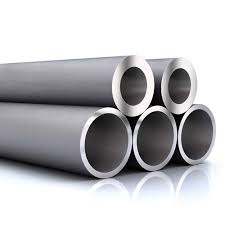 Caption: 420 Stainless Steel Pipe – Premium Martensitic Grade for Surgical & Industrial Applications
Product Overview & Superior Advantages
- Highest Hardness: 420 stainless steel pipe achieves a maximum hardness of up to 58 HRC after heat treatment, making it one of the hardest martensitic grades available.
- Exceptional Wear Resistance: Due to its high carbon content, 420 pipe excels in wear and edge retention, making it ideal for cutting tools, shear blades, and surgical instruments.
- Cost-Effective: Compared to 440C stainless steel, 420 pipe offers a more affordable price with similar performance characteristics, making it a great choice for industries where performance is critical but cost is a concern.
- Versatile Applications: From high-pressure hydraulic systems to surgical tubing, pump shafts, and food-processing knives, 420 pipe’s combination of strength, durability, and resistance to corrosion makes it perfect for a wide range of applications.
- Corrosion Resistance: Excellent resistance to corrosive environments, including resistance to chloride stress corrosion cracking, makes 420 pipe a great choice for marine and food processing industries.
- Polishability: 420 stainless steel pipe can be polished to a mirror finish, adding a premium aesthetic to medical and surgical components.
420 stainless steel pipe is a versatile, high-performance material offering cost savings, superior hardness, and excellent resistance to wear. It is available in both seamless and welded forms, suitable for a wide range of industries including medical, aerospace, and hydraulics.
Chemical Composition
| Element | 420 Stainless Steel (%) | 420J1 Stainless Steel (%) | 420J2 Stainless Steel (%) |
|---|---|---|---|
| Carbon (C) | 0.15–0.40 | 0.15–0.40 | 0.15–0.40 |
| Chromium (Cr) | 12.0–14.0 | 12.0–14.0 | 12.0–14.0 |
| Manganese (Mn) | ≤1.0 | ≤1.0 | ≤1.0 |
| Silicon (Si) | ≤1.0 | ≤1.0 | ≤1.0 |
| Phosphorus (P) | ≤0.04 | ≤0.04 | ≤0.04 |
| Sulfur (S) | ≤0.03 | ≤0.03 | ≤0.03 |
| Nickel (Ni) | ≤0.75 | ≤0.75 | ≤0.75 |
420, 420J1, and 420J2 variants offer slightly different mechanical properties based on the alloy’s composition. The 420J2 variant, for example, contains lower sulfur content for improved weldability and formability, while maintaining high hardness.
Mechanical Properties
| Property | Annealed (Soft) | Quenched & Tempered (58 HRC) |
|---|---|---|
| Yield Strength (MPa) | 500–700 | 1000–1200 |
| Ultimate Strength (MPa) | 700–900 | 1200–1500 |
| Elongation (%) | ≥15% | ≤2% |
| Hardness (HRC) | ≤25 | 48–58 |
420 stainless steel pipe is quench-hardened to achieve hardness up to 58 HRC. Its high yield strength and ultimate strength make it suitable for applications requiring exceptional durability and toughness, especially in surgical instruments and high-pressure hydraulic lines.
Physical Properties
| Property | Value |
|---|---|
| Density (g/cm³) | 7.7 |
| Thermal Expansion (10⁻⁶/°C) | 11.0 |
| Thermal Conductivity (W/m·K) | 25.4 |
| Magnetic | Yes |
420 stainless steel pipe’s magnetic properties make it ideal for applications in high-stress environments, as well as for use in magnetic separators and motors. Its thermal conductivity is well-suited for components exposed to thermal cycling, such as pump shafts and extrusion dies.
420 vs 410 vs 420J2 vs 440C vs 316 Pipe Comparison
| Property | 420 Stainless Steel | 410 Stainless Steel | 420J2 Stainless Steel | 440C Stainless Steel | 316 Stainless Steel |
|---|---|---|---|---|---|
| Hardness (HRC) | 48–58 | 45–50 | 48–56 | 58–60 | 30–35 |
| Wear Resistance | High | Moderate | High | Very High | Moderate |
| Corrosion Resistance | Moderate | Moderate | Good | Excellent | Excellent |
| Cost | Low | Low | Low | High | High |
| Polishability | Good | Fair | Good | Excellent | Excellent |
420 stainless steel pipe offers superior hardness and wear resistance compared to 410 and 420J2, while 440C offers the highest hardness and wear resistance of all martensitic steels. However, 420 provides a more cost-effective alternative to 440C for many applications without compromising on performance.
Available Types & Specifications
| Type | Size (NPS) | Wall (Sch) | Standards | Surface Finish |
|---|---|---|---|---|
| Seamless & Welded | 1/8″–36″ | Sch 10S–XXS | ASTM A312, A358, A376, A731 | Pickled, Polished, Bright Annealed |
| Size Range | 1/8″–36″ | Sch 10S–XXS | EN 10216-5 |
420 stainless steel pipe is available in both seamless and welded forms, with a wide range of sizes (1/8″ to 36″) and wall thicknesses (Sch 10S to XXS) to meet the demands of various industries. Bright annealed, pickled, and polished finishes are available for different aesthetic and functional requirements.
Complete Heat Treatment Guide for 420 Stainless Steel Pipe
- Hardening: Heat to 980–1050°C, then quench in oil or air.
- Tempering: For tempering, heat to 150–400°C to achieve a hardness of 48–58 HRC.
- Cryogenic Treatment: Optional cryogenic treatment improves wear resistance and hardness, especially for high-strength applications like cutting tools and surgical instruments.
Major Applications
- Surgical & Dental Instruments: Tubing for cannulas, needles, and precision surgical tools.
- Hydraulic Systems: High-pressure hydraulic lines, pump shafts, valve stems.
- Cutting Tools: Shear blades, food processing knives, plastic extrusion dies.
- Marine Applications: Marine propeller shafts.
- Oil & Gas: Downhole tools, high-strength fasteners.
420 stainless steel pipe is ideal for a wide range of medical, hydraulic, and cutting-edge industrial applications requiring high hardness, strength, and resistance to corrosion.
Why We Are the Best 420 Stainless Steel Pipe Distributor
As the global leader in 420 stainless steel pipe distribution, we offer:
- Largest stock of hardened 420 seamless pipe.
- In-house heat treatment and centerless grinding.
- Precision cutting & chamfering.
- Full certification package including EN 10204 3.1/3.2 + PED + NACE.
- Fastest delivery worldwide with unbeatable prices.
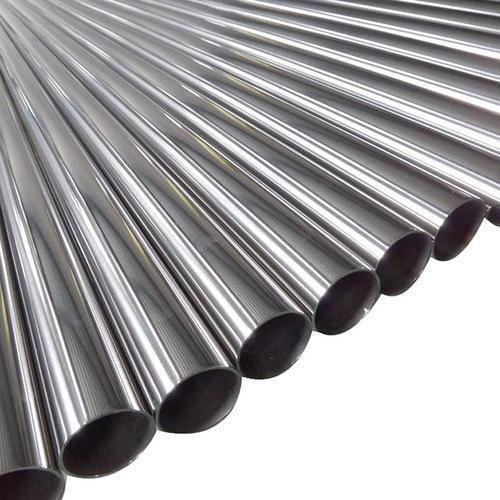 Caption: 420 Stainless Steel Pipe – Production Line & Quality Control
Packaging & Quality Assurance
Each pipe is securely packaged in individual plastic sleeves, wooden crates, and end caps for protection during shipping. We also provide a full certification package with every order, ensuring traceability and compliance with international standards.
FAQ Section
1. What is the maximum hardness of 420 stainless steel pipe?
The maximum achievable hardness for 420 stainless steel pipe is 58 HRC after proper heat treatment.
2. How does 420 pipe compare with 420J2 and 440C pipe?
420 pipe offers a good balance of hardness and cost, while 440C offers the highest hardness but at a higher cost.
3. Is 420 pipe food-safe and medical-grade?
420 stainless steel is often used for medical-grade applications, but it is not always food-safe unless treated to specific standards.
4. Can 420 pipe reach 58 HRC after heat treatment?
Yes, 420 stainless steel pipe can reach 58 HRC after the appropriate quenching and tempering process.
5. What is the best welding method for 420 pipe?
TIG (Tungsten Inert Gas) welding is often recommended for 420 stainless steel pipe to ensure strong, clean welds.
6. How does 420 pipe perform in chloride environments?
420 offers moderate resistance to corrosion in chloride environments, but is best used where corrosion is not a primary concern.
7. Is NACE MR0175 compliance available?
Yes, our 420 stainless steel pipes are compliant with NACE MR0175 for use in oil & gas environments.
8. What is the minimum order quantity for small-diameter seamless 420?
Minimum order quantities depend on size and specification. We offer flexible ordering options.
9. What is the lead time for polished Sch 80 pipe?
Lead time for polished Sch 80 pipe is typically 7-14 days, depending on volume and finish.
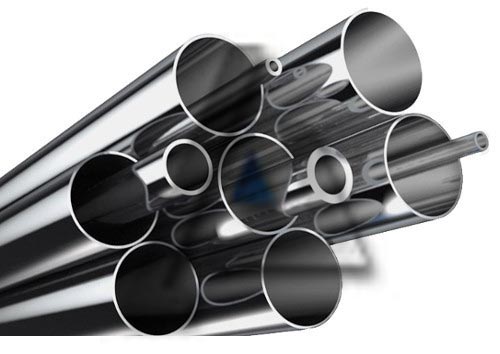 Caption: 420 Stainless Steel Pipe – Real-World Applications in Surgical, Industrial & Hydraulic Systems
Conclusion + Urgent Call-to-Action
Request your quote now for the highest quality 420 stainless steel pipe! Fast quotes, unmatched prices, and global delivery. Contact us via live chat, WhatsApp, WeChat, email, or phone for your 1-hour response.
Get your quote today and ensure top-tier quality for your projects!