209 Stainless Steel Sheet (Nitronic® 50 / XM-19) – Ultra-High Strength Austenitic Powerhouse

Meta Description (142 characters):
209 stainless steel sheet delivers 2× yield of 316L, superb seawater corrosion. Buy Nitronic 50 / XM-19 online from global suppliers – instant quote.

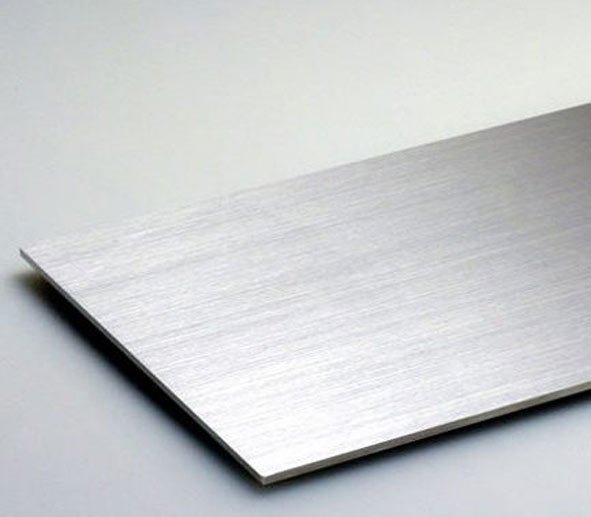
209 stainless steel sheet close-up 2B finish
High-performance 209 stainless steel sheet with flawless 2B cold-rolled finish

Introduction

When your project demands the ultimate blend of strength, corrosion resistance and ductility, 209 stainless steel sheet (UNS S20910, Nitronic® 50, XM-19) stands alone. This nitrogen-strengthened austenitic grade achieves twice the yield strength of 316L while maintaining full non-magnetic properties and superior pitting resistance in seawater. Whether you’re fabricating offshore pump shafts, aerospace fasteners or high-end kitchen equipment, 209 stainless steel sheet gives you 304-level formability with near-duplex performance—without the duplex price volatility. Discover why leading 209 stainless steel sheet suppliers worldwide are switching to Nitronic 50 for mission-critical applications.

What is 209 Stainless Steel Sheet? (Nitronic 50 / XM-19)

Grade 209 stainless steel sheet is a high-nitrogen, manganese-rich austenitic stainless alloy originally developed for marine fasteners. Its balanced chromium (20–23 %) and molybdenum (1.5–3.0 %) content provides pitting resistance comparable to 316L, while 0.20–0.40 % nitrogen boosts yield strength above 55 ksi (380 MPa)—far exceeding conventional austenitic grades. Unlike duplex alloys, Nitronic 50 remains fully austenitic after heavy cold work, ensuring non-magnetic properties essential for electronics and MRI equipment. Compared with 2205 duplex, 209 stainless steel properties include better impact toughness at cryogenic temperatures and simpler welding without post-weld heat treatment.

Chemical Composition (% by mass, balance Fe)

Element209 (Nitronic 50)316L
C≤0.06≤0.03
Si≤1.0≤1.0
Mn4.0–6.0≤2.0
P≤0.04≤0.045
S≤0.03≤0.03
Cr20.0–23.016.0–18.0
Ni11.5–13.510.0–14.0
Mo1.5–3.02.0–3.0
N0.20–0.40≤0.10

Technical Specifications & Mechanical Properties

  • Thickness Range: 0.3 mm – 50 mm (cold-rolled 0.3–3 mm; hot-rolled 3–50 mm)
  • Standard Widths: 1000, 1219, 1250, 1500, 2000 mm (slit-to-width available)
  • Lengths: 2000, 2438, 3000, 6000 mm or custom cut
  • Surface Finishes: 2B, BA, No.4, HL, 8K mirror, embossed, anti-fingerprint

Room & Elevated Temperature Mechanical Properties

ConditionTensile (MPa)Yield 0.2 % (MPa)Elongation %Hardness HRB
Annealed≥690≥380≥35≤95
20 % Cold-worked≥1000≥760≥20≤30 HRC
400 °C≥650≥360≥30≤28 HRC
-196 °C≥1200≥900≥45≤35 HRC
Various surface finishes of 209 stainless steel sheet
209 stainless steel sheet available in 2B, BA, Hairline, and polished mirror finishes

Superior Advantages of 209 Stainless Steel Sheet

  • Twice the Yield Strength of 316L → lighter gauges, lower freight cost.
  • Excellent Pitting & Crevice Corrosion Resistance – Critical for seawater and chemical environments.
  • Outstanding Galling & Wear Resistance – Extends service life in fasteners and sliding parts.
  • Good High & Low Temperature Performance – From -196 °C cryogenic to 400 °C continuous service.
  • Fully Austenitic = Non-Magnetic – Even after severe cold working; ideal for electronics and MRI equipment.
  • Stable Alloy Cost – Lower Ni content than 304/316 shields you from LME nickel volatility.

Applications & Industries

  • Marine & Offshore: Propeller shafts, pump impellers, valve stems, rigging hardware that resist seawater pitting.
  • Oil & Gas: Downhole tooling, Christmas-tree fittings, hydraulic lines exposed to H₂S and CO₂.
  • Chemical Processing: Heat-exchanger plates, reactor vessels, sulfuric-acid storage tanks.
  • Food & Pharmaceutical: High-strength sanitary conveyors, blenders, tablet presses where cleanliness and strength merge.
  • Aerospace & Military: Aircraft exhaust stacks, missile launcher components, non-magnetic ship fittings.
  • High-Performance Fasteners & Springs: Lock washers, bolts, clips that must not gall or relax under vibration.
209 stainless steel sheet used in marine propeller shaft
209 stainless steel sheet fabricated into high-strength marine propeller shafting

Manufacturing Process & Quality Assurance

  1. Electric-Arc Furnace + AOD Refining – Exact chemistry control, low inclusion content.
  2. Continuous Casting – 200 mm slabs for uniform grain structure.
  3. Hot Rolling – Reheat to 1,200 °C, roll to 3–50 mm plate or 2–3 mm transfer bar.
  4. Cold Rolling – Transfer bar reduced to 0.3–3 mm with ±0.02 mm tolerance.
  5. Bright Annealing – 1,100 °C in pure H₂ for mirror BA finish and restored corrosion resistance.
  6. Finishing – Skin-pass for 2B, polish lines for No.4/HL, super-polish for 8K mirror.
  7. QC Testing – Spectrometer, ultrasonic thickness, ASTM tensile, and intergranular corrosion tests ensure every Nitronic 50 sheet meets spec.

Maintenance & Cleaning Guide

  • Routine Cleaning: Warm water + mild detergent, soft cloth, rinse and dry.
  • Fingerprint Removal: 1 % vinegar solution, wipe along grain, buff with microfiber.
  • Avoid: Chloride bleach, hydrochloric acid, steel wool or abrasive powders.
  • Storage: Elevate on wooden pallets, cover with breathable PE film, keep away from moisture and carbon steel dust.
  • Passivation: Optional citric acid bath after fabrication to remove free iron and enhance 209 stainless steel properties.

Why Choose Our 209 Stainless Steel Sheet?

Genuine Nitronic® 50 / XM-19 Stock – UNS S20910 certified melt source.
Mill Test Certificates EN 10204 3.1 – Supplied free with every shipment.
Precision Cutting – Laser, water-jet, plasma within ±0.2 mm; circles, blanks, slit coils.
Global Export & Fast Delivery – 3,000 t stock; 5-day FOB to 120+ ports.
Competitive Pricing & Bulk Discounts – Lock 209 stainless steel sheet price for 30 days on contract.
Free Samples – Courier within 48 hours for qualification tests.
Custom fabricated 209 stainless steel components ready for shipment
Precision-cut and packed 209 stainless steel sheets ready for worldwide delivery

Frequently Asked Questions

Q1: What is the difference between 209 and 316L stainless steel?
A: 209 (Nitronic 50) offers twice the yield strength, better pitting resistance and remains non-magnetic, while 316L has higher nickel and molybdenum but lower strength.

Q2: Is 209 stainless steel (Nitronic 50) magnetic?
A: Essentially non-magnetic even after severe cold working; permeability <1.005.

Q3: Can 209 stainless steel sheet withstand seawater?
A: Yes, PREN ~34 exceeds 316L; proven in long-term immersion tests at 30 °C.

Q4: What is the maximum service temperature?
A: Continuous 400 °C; intermittent 800 °C without scaling; cryogenic -196 °C with high impact toughness.

Q5: Is 209 suitable for welding?
A: Absolutely – TIG, MIG, SMAW pass AWS D1.6 without pre-heat or post-weld heat treatment.

Q6: Why is 209 more expensive than 304/316?
A: Higher alloy content (Cr, Mo, N) and specialized melting raise cost, but strength gain allows thinner sections, often reducing total project cost.

Q7: Do you supply Nitronic 50 sheet in custom widths?
A: Yes, slit coils from 20 mm to 2,000 mm with ±0.1 mm tolerance.

Call to Action

Get Your Instant Quote for 209 Stainless Steel Sheet Now!
Limited stock – Order today and upgrade to the strongest austenitic grade!

209 Stainless Steel Plate (Nitronic 50 / XM-19) – Ultra-High Strength Austenitic Powerhouse

Meta Description (143 characters):
209 stainless steel plate delivers 2× yield of 316L, PREN 34, full non-magnetic. Buy genuine Nitronic 50 / XM-19 plate – instant quote, global delivery.

209 stainless steel plate No.1 finish
Heavy-duty 209 stainless steel plate (Nitronic 50) in hot-rolled No.1 finish

Introduction

When your project demands the ultimate blend of strength, corrosion resistance and non-magnetic reliability, 209 stainless steel plate (UNS S20910, Nitronic® 50, XM-19) stands alone. This nitrogen-strengthened austenitic grade achieves twice the yield strength of 316L while maintaining full non-magnetic properties and superior pitting resistance in seawater. From offshore pump shafts to aerospace bulkheads, 209 stainless steel plate gives you near-duplex performance without the welding headaches. Discover why leading 209 stainless steel plate suppliers worldwide are switching to genuine Nitronic 50 for the most demanding marine, chemical and energy applications.

What is 209 Stainless Steel Plate? (Nitronic 50 / XM-19 / UNS S20910)

209 stainless steel plate is a high-nitrogen, manganese-rich austenitic alloy originally developed for marine fasteners. Its balanced chromium (20–22 %) and molybdenum (1.5–3.0 %) content provides pitting resistance comparable to 316L, while 0.15–0.40 % nitrogen boosts yield strength above 55 ksi (380 MPa)—far exceeding conventional austenitic grades. Unlike duplex alloys, Nitronic 50 remains fully austenitic after heavy cold work, ensuring non-magnetic properties essential for electronics and MRI equipment. Compared with 316L, 904L, 2205 duplex or AL-6XN, 209 stainless steel properties include better impact toughness at cryogenic temperatures and simpler welding without post-weld heat treatment.

Chemical Composition (% by mass, balance Fe)

Element209 (Nitronic 50)316L
C≤0.06≤0.03
Si≤1.0≤1.0
Mn4.0–6.0≤2.0
P≤0.04≤0.045
S≤0.03≤0.03
Cr20.0–22.016.0–18.0
Ni11.5–13.510.0–14.0
Mo1.5–3.02.0–3.0
N0.15–0.40≤0.10

Technical Specifications

  • Thickness Range: 3 mm – 150 mm (hot rolled), 0.6 mm – 50 mm (cold rolled)
  • Width: Up to 3200 mm (slitting down to 20 mm)
  • Length: Up to 12000 mm or custom cut; coil-fed or blanked
  • Surface: No.1 (hot rolled), 2B, 2D, polished, ground
  • Standards Compliance: ASTM A240, A480, ASME SA-240, NORSOK M-650

Mechanical Properties (ASTM A240)

ConditionTensile (MPa)Yield (MPa)Elongation %Hardness HRB
Annealed≥690≥380≥35≤95
20 % Cold-worked≥1000≥760≥20≤30 HRC
400 °C≥650≥360≥30≤28 HRC
-196 °C≥1200≥900≥45≤35 HRC

Corrosion Resistance Data

Test209 (Nitronic 50)316L
PREN33–3625–28
CPT (°C)≥35≥25
SCC 1000 hNo crackingMinor cracking
Seawater 10 yrNo pittingLight pitting
209 stainless steel plate polished surface
209 stainless steel plate with precision-ground and polished surface

Unmatched Advantages of 209 Stainless Steel Plate

  • Yield Strength ≈2× that of 316L → Dramatic weight & thickness reduction, lower freight cost.
  • PREN 33–36: Superior Pitting & Crevice Corrosion Resistance – Outperforms 316L in seawater and chloride environments.
  • Outstanding Resistance to Chloride SCC & Seawater – No failure in 1000-hour ASTM G36 tests; proven 10-year immersion.
  • Excellent Galling and Wear Resistance – Extends service life in sliding and threaded connections.
  • Service Temperature -196°C to +400°C – Cryogenic toughness plus high-temperature strength.
  • Remains Fully Non-Magnetic Even After Severe Cold Work – Ideal for electronics, MRI and submarine components.

Critical Applications

  • Offshore Platforms & Subsea Equipment: Pump shafts, valve stems, seawater piping, subsea umbilicals – proven 10-year seawater exposure.
  • Marine Propulsion & Seawater Systems: Heat-exchanger tubing, ballast lines, fire-water loops, deck hardware.
  • Oil & Gas Downhole and Wellhead Equipment: Christmas-tree fittings, MWD/LWD tools, hydraulic control lines.
  • Chemical Processing Tanks and Pressure Vessels: Sulfuric-acid piping, chloride scrubbers, amine units.
  • Pulp & Paper Digesters: Screen baskets, bleach plant piping, digester shells.
  • High-Strength Cryogenic Components: LNG piping, submarine hull inserts, rocket motor casings.
  • Military and Aerospace Structural Parts: Non-magnetic bolts, landing-gear components, missile launcher parts meeting AMS 5764.
209 stainless steel plate in offshore application
Thick 209 stainless steel plate used in offshore seawater handling system

Manufacturing Process & Quality Assurance

  1. Electric-Arc Furnace + VOD/AOD Refining – Exact chemistry, ultra-low inclusion content.
  2. Continuous Casting & Hot Rolling – 250 mm slabs for uniform grain structure.
  3. Cold Rolling & Bright Annealing – 20-roll Sendzimir mill achieves ±0.01 mm thickness; BA at 1,100 °C in pure H₂ for mirror finish.
  4. Skin Pass & Tension Leveling – Ensures flatness ≤3 IU and surface roughness ≤0.2 µm on BA coils.
  5. Slitting & Edge Dressing – Precision slitters with camber ≤1 mm per 2 m; deburred edges for safe handling.
  6. QC Testing – Spectrometer, tensile, cupping, surface roughness, and intergranular corrosion per ASTM A763 ensure every 209 stainless steel plate meets specification.

Packaging & Global Logistics

  • Inner Core: 7 mm thick paperboard protecting coil ID.
  • Outer Wrap: 0.1 mm PE film + 0.2 mm VCI paper + galvanized steel guard.
  • Radial Protection: 30 mm foam board on coil edges.
  • Palletizing: Wooden pallet + steel straps, fumigation-free IPPC stamp.
  • Marking: Heat number, size, weight, production date on outer wrap and side tag.
  • Shipping: 20 ft or 40 ft container, average 22 tons payload; same-day loading on stock items.

Why Choose Our 209 Stainless Steel Plate?

Authorized Stockist of Genuine Nitronic® 50 – UNS S20910 certified melt source.
Full Material Traceability & EN 10204 3.1/3.2 Certificates – Supplied free with every shipment.
Third-Party Approvals (DNV, ABS, Lloyd’s, TÜV) – Available on request.
Precision Cutting, Beveling, and Drilling Services – In-house CNC and laser cutting.
Fast Worldwide Delivery & Heavy-Duty Export Packaging – 3,000 t stock; 5-day FOB to 120+ ports; DDP available.

FAQ Section (7–8 Detailed Questions)

Q1: What is the difference between 209 and 316L stainless steel plate?
A: 209 (Nitronic 50) offers twice the yield strength, better pitting resistance (PREN 34) and remains non-magnetic, while 316L has lower alloy cost but cannot match strength or galling resistance.

Q2: Is 209 stainless steel plate (Nitronic 50) magnetic?
A: Essentially non-magnetic; permeability <1.005 even after severe cold working.

Q3: Can 209 plate withstand continuous seawater exposure?
A: Yes, PREN ≈ 34, proven 10-year immersion tests at 30 °C without pitting; outperforms 316L in ASTM G48.

Q4: What welding filler is required?
A: Use ER209 (AWS A5.9) or commercially “Nitronic 50” filler; no pre-heat or post-weld heat treatment required.

Q5: Why is 209 significantly more expensive than 316L?
A: Higher alloy content (Cr, Mo, N) and specialized melting raise cost, but strength gain allows thinner sections, often reducing total project cost.

Q6: Maximum service temperature?
A: Continuous 400 °C, intermittent 800 °C; cryogenic -196 °C with high impact toughness.

Q7: Do you supply 209 stainless steel plate in custom heavy-wall thickness?
A: Absolutely – heavy-wall up to 150 mm, precision cold-finished or hot-expanded.

Call to Action

Request Instant Quote for 209 Stainless Steel Plate Now!
Genuine Nitronic 50 stock – Contact us today for mission-critical projects!